PHOTO ESSAY BY KAREN GONZALEZ VIDELA | summer 2026 'field of view' mentee
Once thought extinct in Florida due to the decline of its host plant (Zamia integrifolia), the Atala butterfly (Eumaeus atala) has been making a powerful return to the state.
The coontie, the species’ host plant in its caterpillar stage, has become a popular selection in landscaping. As it continues to be used to decorate urban areas, the Atala has found its way back. Populations of the butterfly have been able to mate and place their eggs on the planted coonties, where their caterpillars hatch soon after and begin to eat from their food source almost immediately. This has resulted in a significant rise of Atala sightings.
Although the butterfly’s original habitat in Florida occured mostly in the southwestern region, the use of the coontie plant for landscaping in other areas has brought it to various parts of the state. One of those parts is the University of South Florida in Tampa, where these photographs were taken. A relatively small section of the university has become home to a large group of Atala, with their caterpillars, eggs, chrysalides, and butterflies living amongst the campus life.
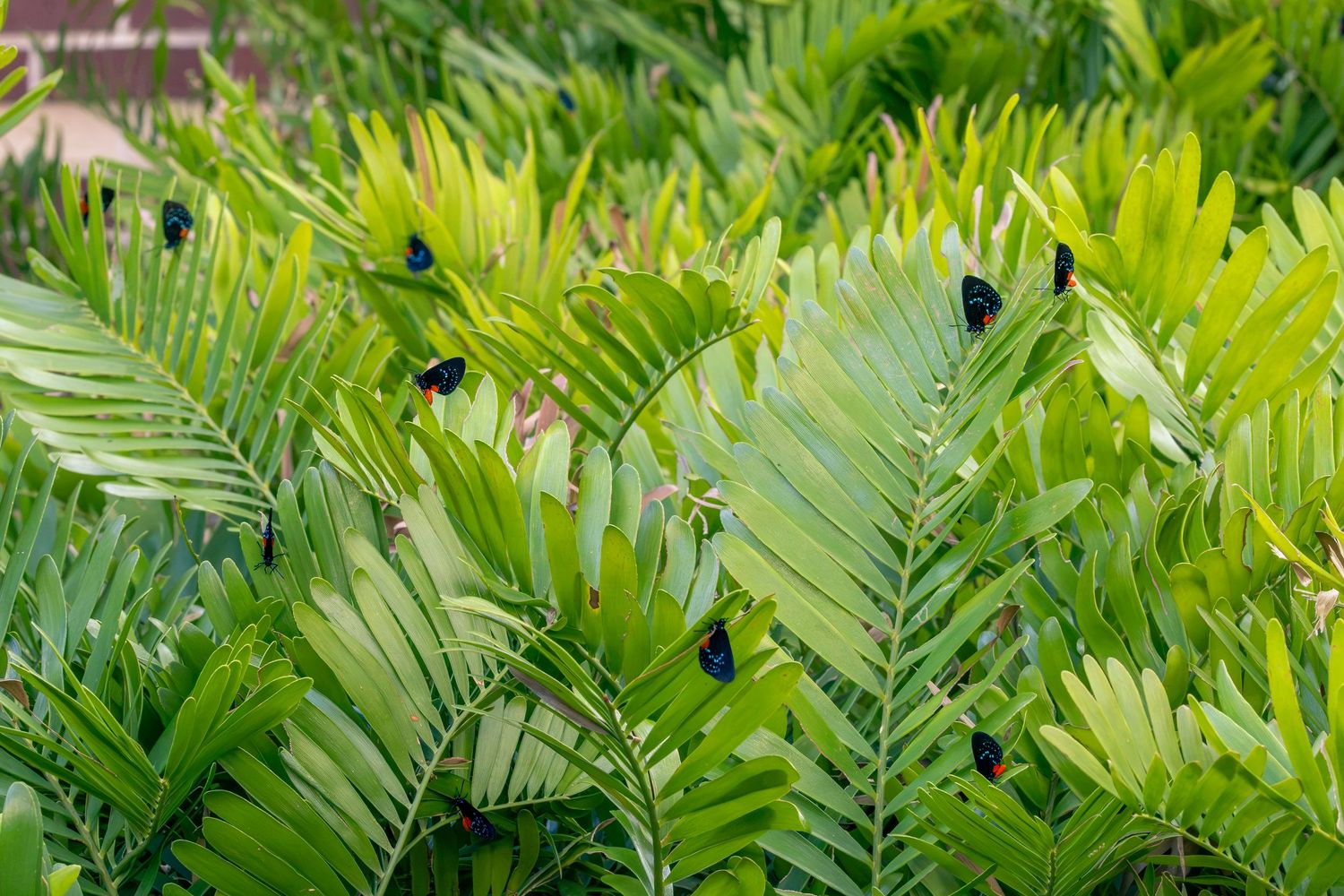
Multiple small Atala butterflies rest on the leaves of various coontie plants. Thanks to the new abundance of coontie plant in certain urban areas, Atala butterflies can be observed resting in numbers.
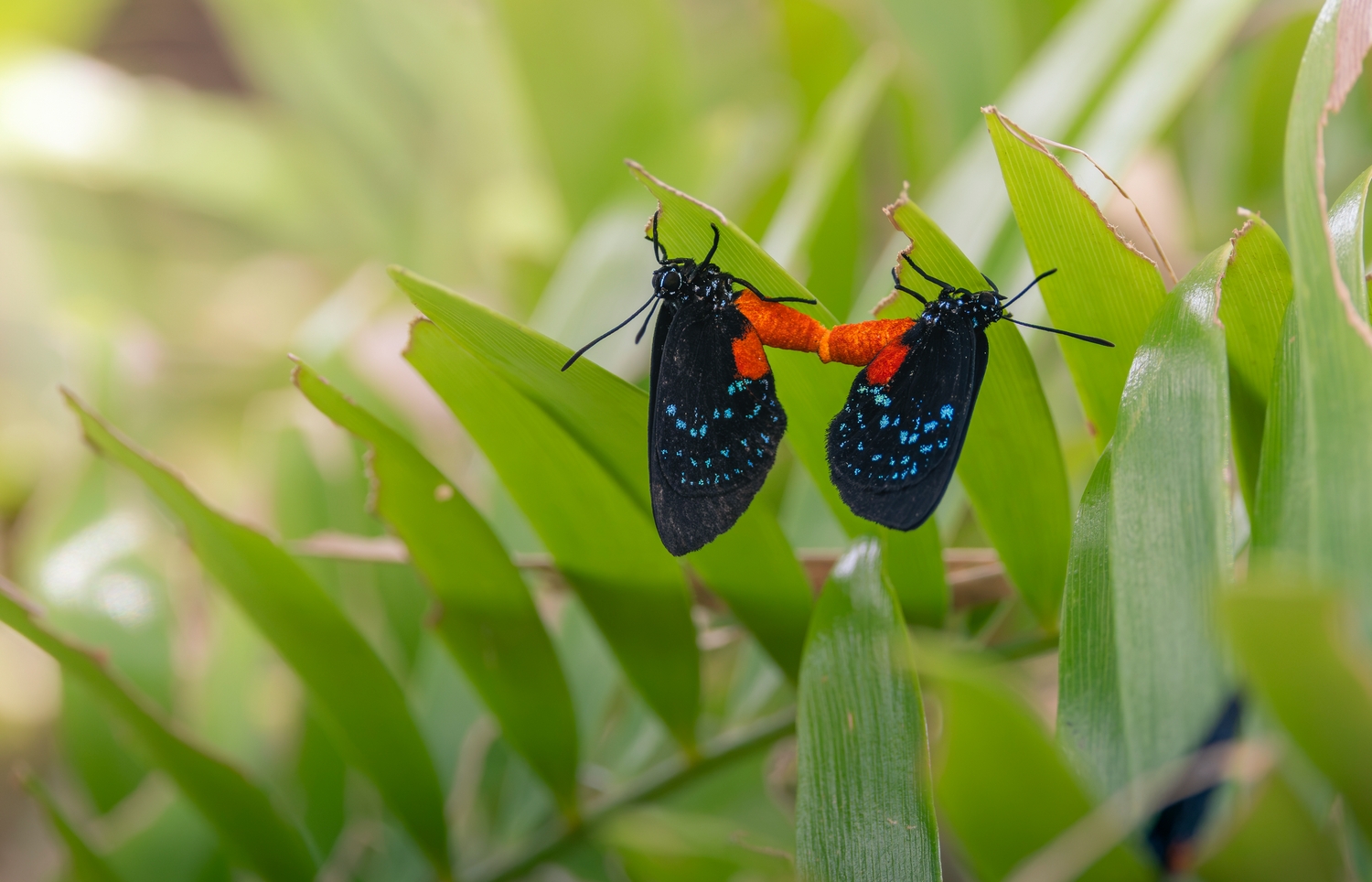
Two Atala butterflies engage in mating. With their host plant readily available, Atala butterflies are able to mate and contribute to a thriving population.
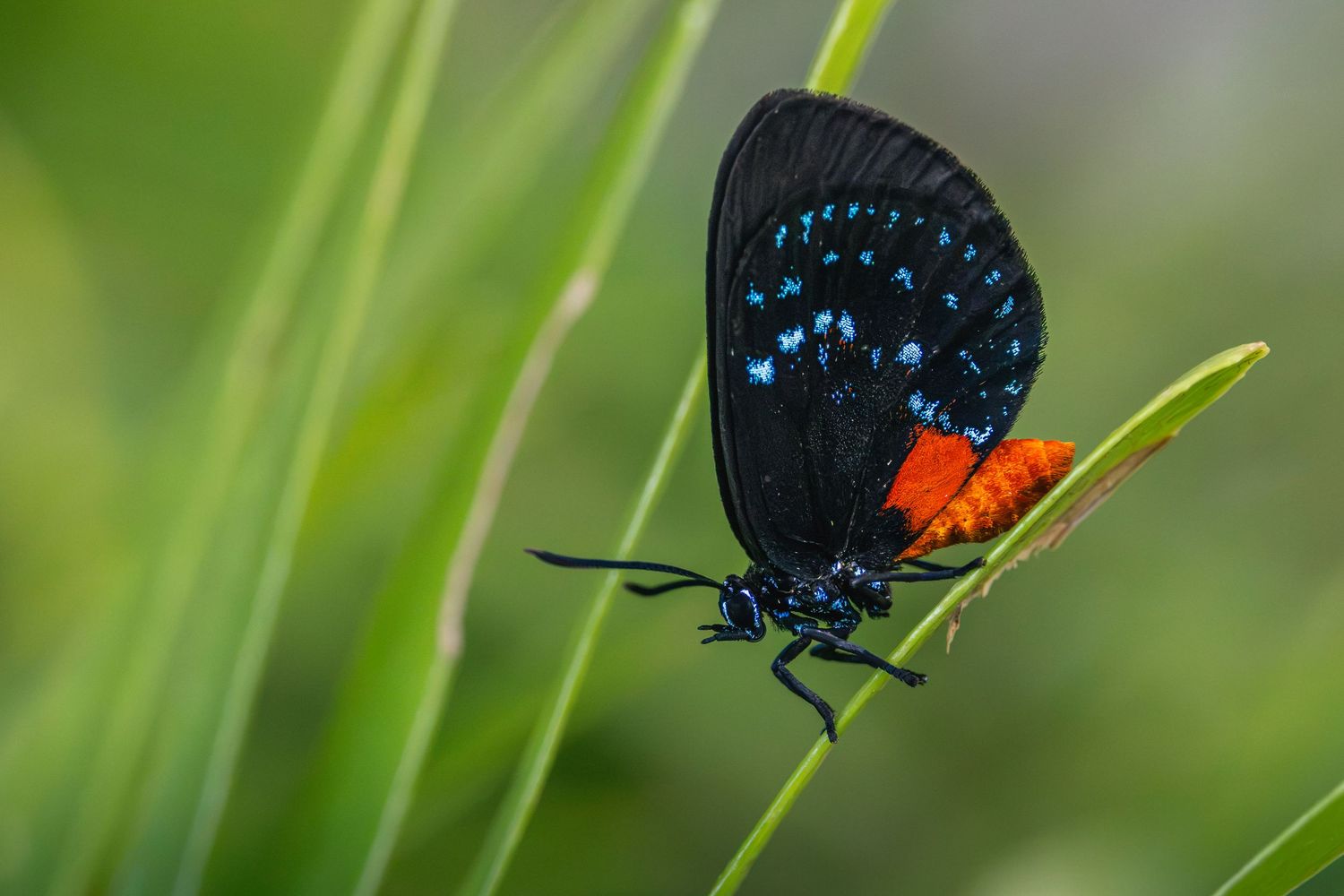
An Atala butterfly (Eumaeus atala) rests on the leaf of a coontie plant (Zamia integrifolia). With its bright red and blue colors, the Atala butterfly is hard to miss. Once thought extinct in Florida, the species has been making a significant comeback due to the re-introduction of its host plant, the coontie.
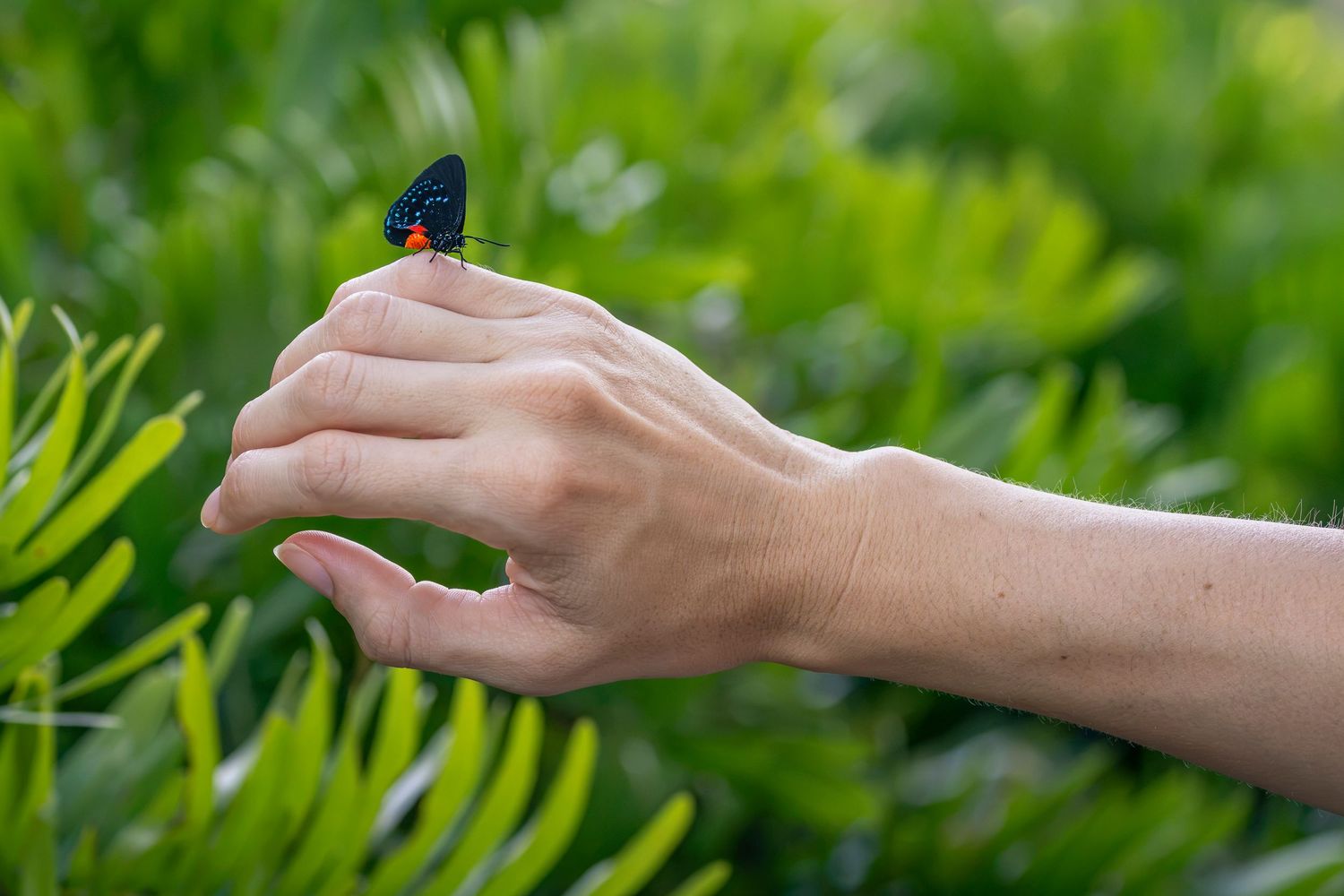
The small size of an Atala butterfly stands out as it rests on a hand. The Atala butterflies found in this small section of the University of South Florida do not appear to fear humans, perhaps due to their constant presence, readily resting on man-made objects or even a hand.
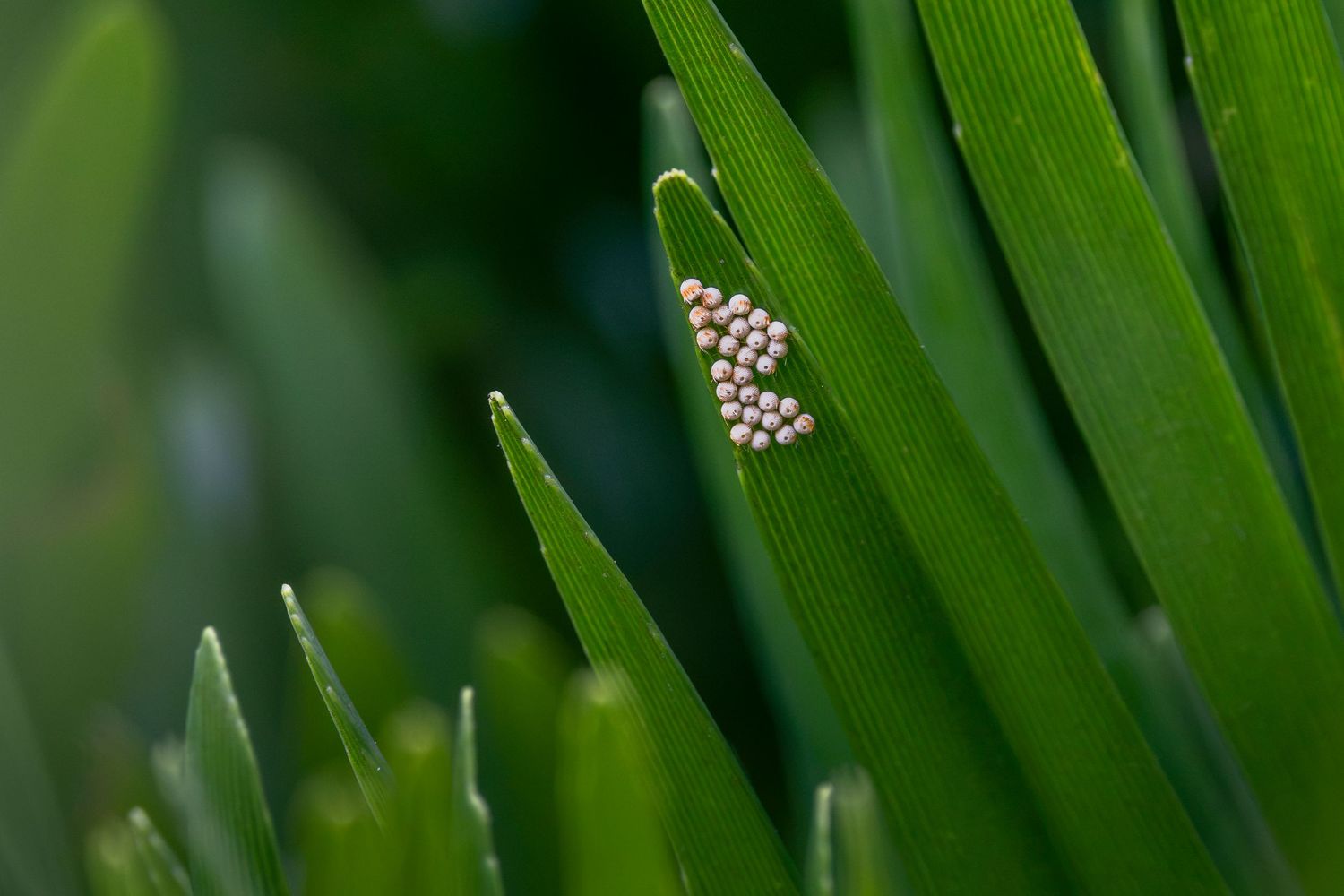
The eggs of an Atala butterfly stick to the coontie plant’s leaf. After mating, Atala butterflies place their eggs on nearby coontie plants. Here, they will hatch and the caterpillars will have immediate access to their food source.
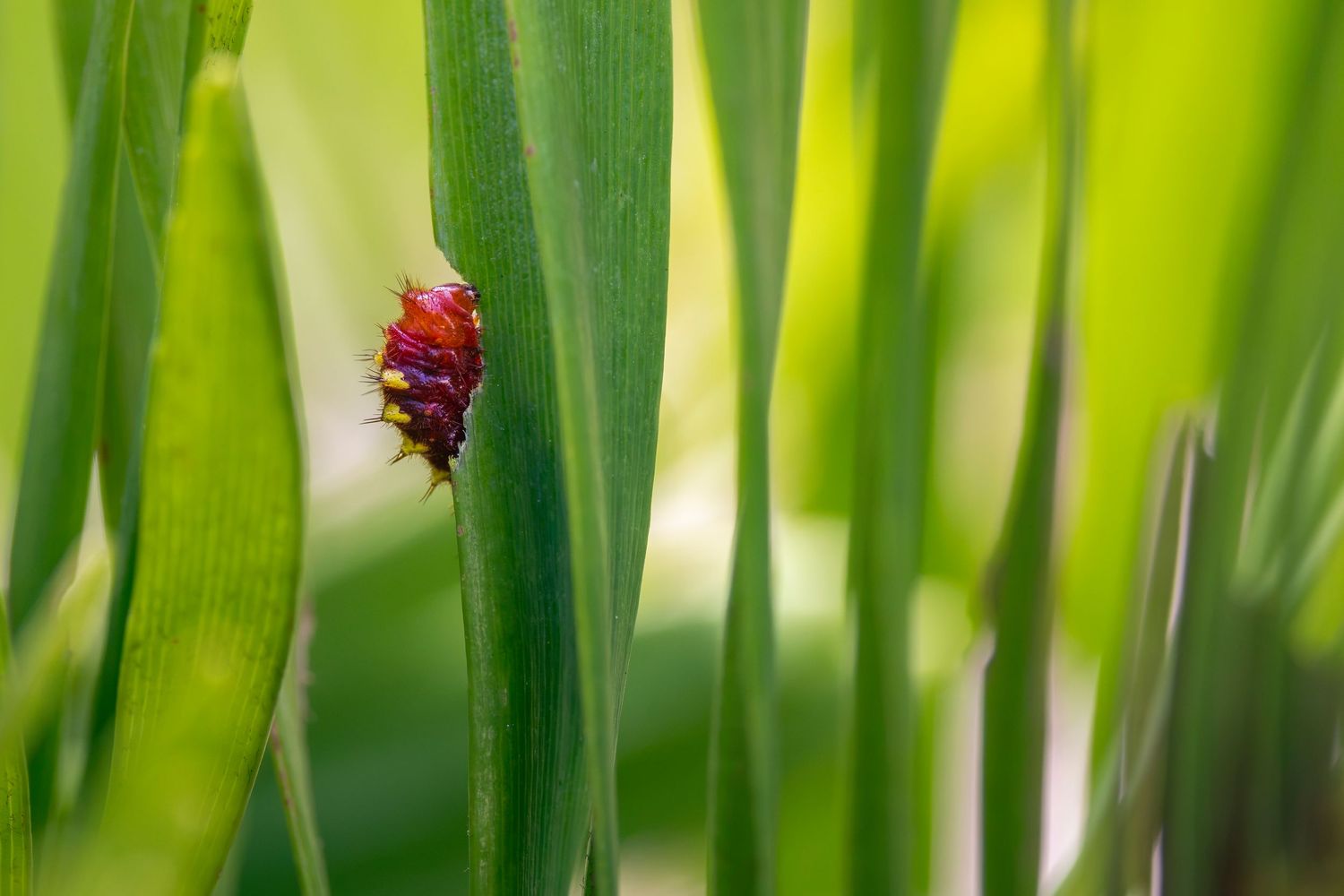
An Atala caterpillar eats the leaves of a coontie plant. The Atala caterpillar will begin eating the leaves of coontie almost immediately after hatching from the egg, embarking on its journey toward its adult form.
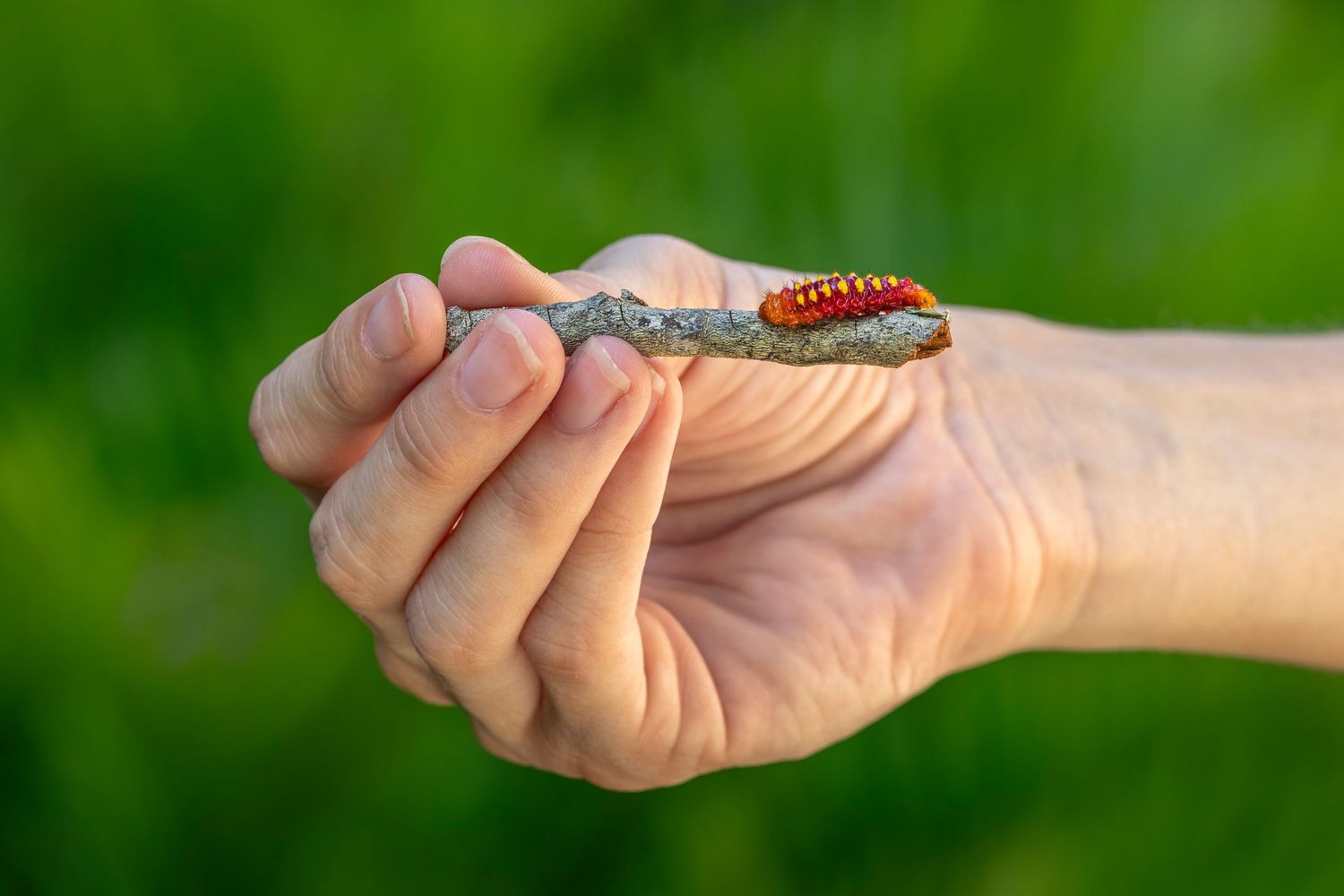
The caterpillar form of an Atala is held up close after being picked up as it walked on cement. As the caterpillars walk around their busy urban environment, they sometimes end up walking on cement and face getting stepped on. Due to their lack of fear, it is easy to pick them up and move them back to their host plants.
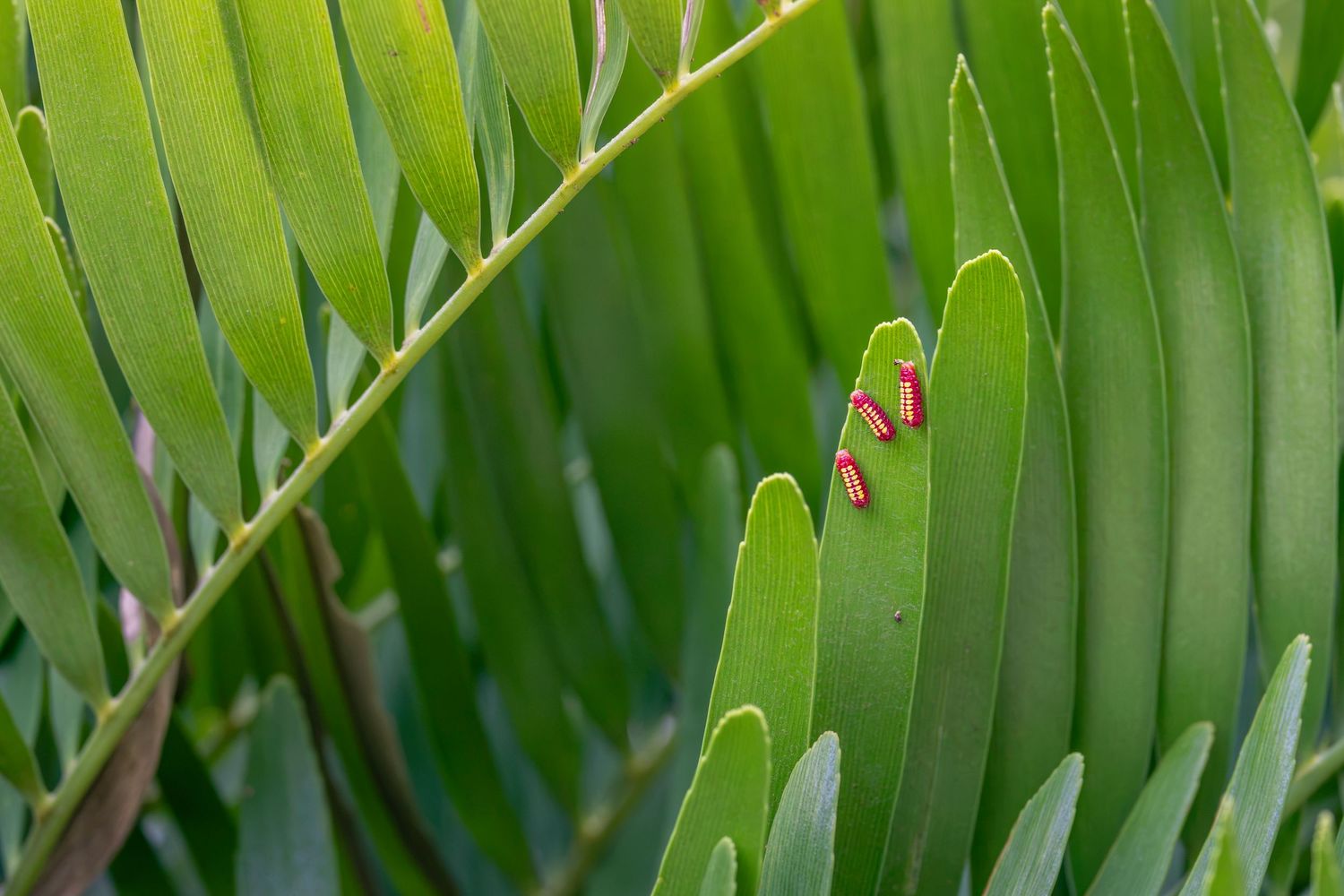
Three recently hatched caterpillars of Atala are surrounded by their host plant. Soon after hatching from the egg, the Atala caterpillars must begin their growth journey. Quick access to food ensures they grow with enough strength to make it to their next life stage.
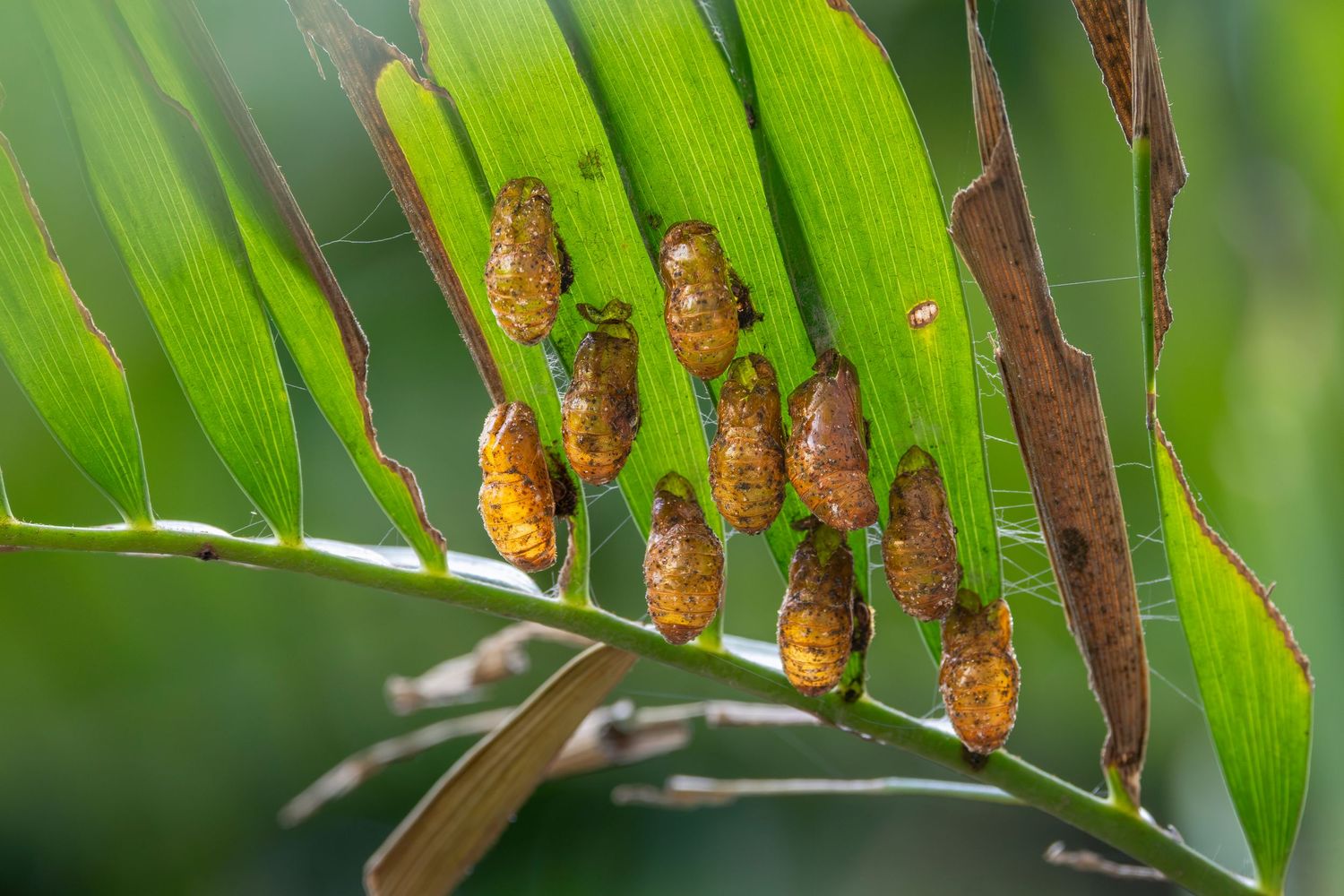
The empty chrysalides of Atala butterflies hang from the narrow leaves of a coontie plant. After the Atala emerges as a butterfly, the chrysalis’s outer shell is left behind. With high numbers of Atala butterflies in this small area, multiple empty chrysalides can be found hanging from the same leaves.
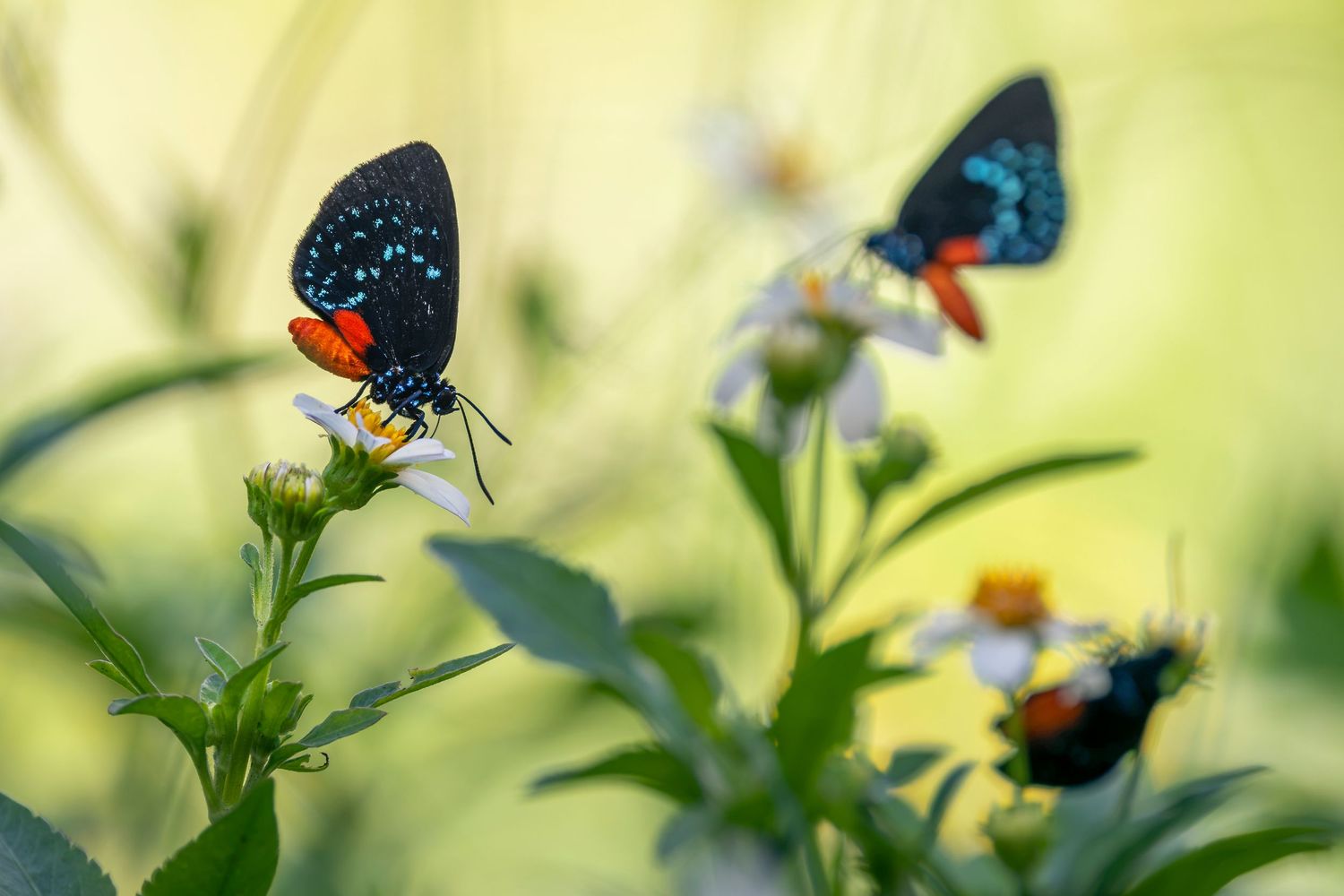
A group of Atala butterflies drink nectar from the flowers of nearby Spanish Needle (Bidens alba) plants. Although the Atala relies on the coontie plant during its caterpillar stage, various other plants act as a source of nectar for it once it has reached its adult form. The flowers of the Spanish Needle are particularly prevalent in Florida and a good source of nectar.
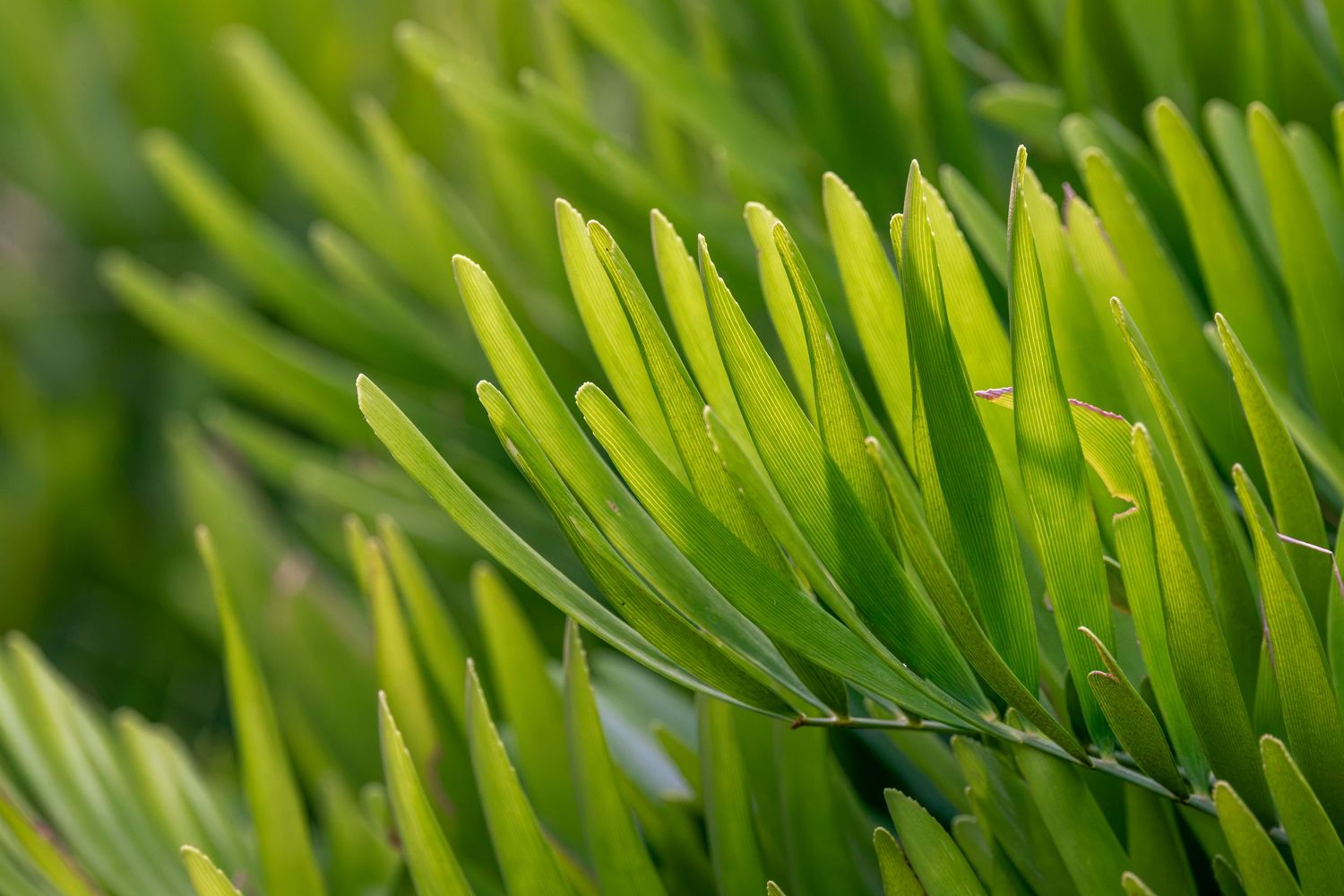
The coontie plant, the Atala’s host plant during its caterpillar stage, up close. The coontie plant appears unimpressive at first glance, with its thin leaves and shrub- like appearance masking the truth: Its beauty lies not necessarily in its looks, but rather in its ability to act as food for extensive populations of Atala caterpillars.